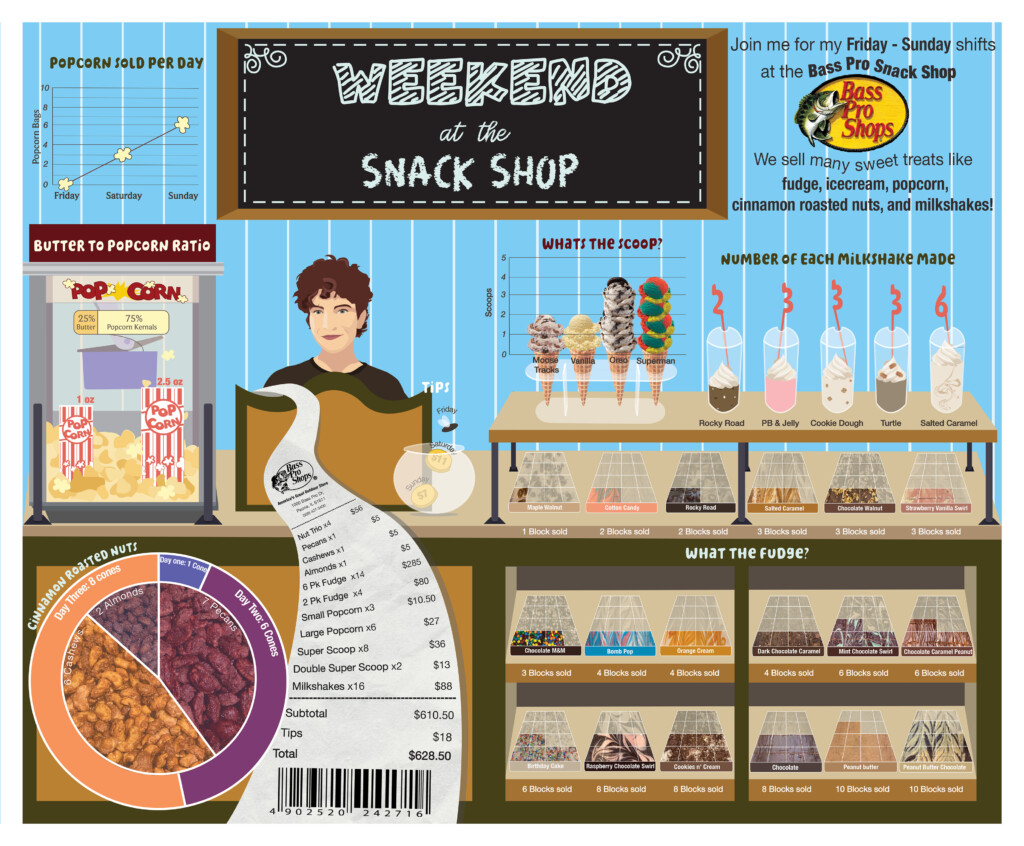
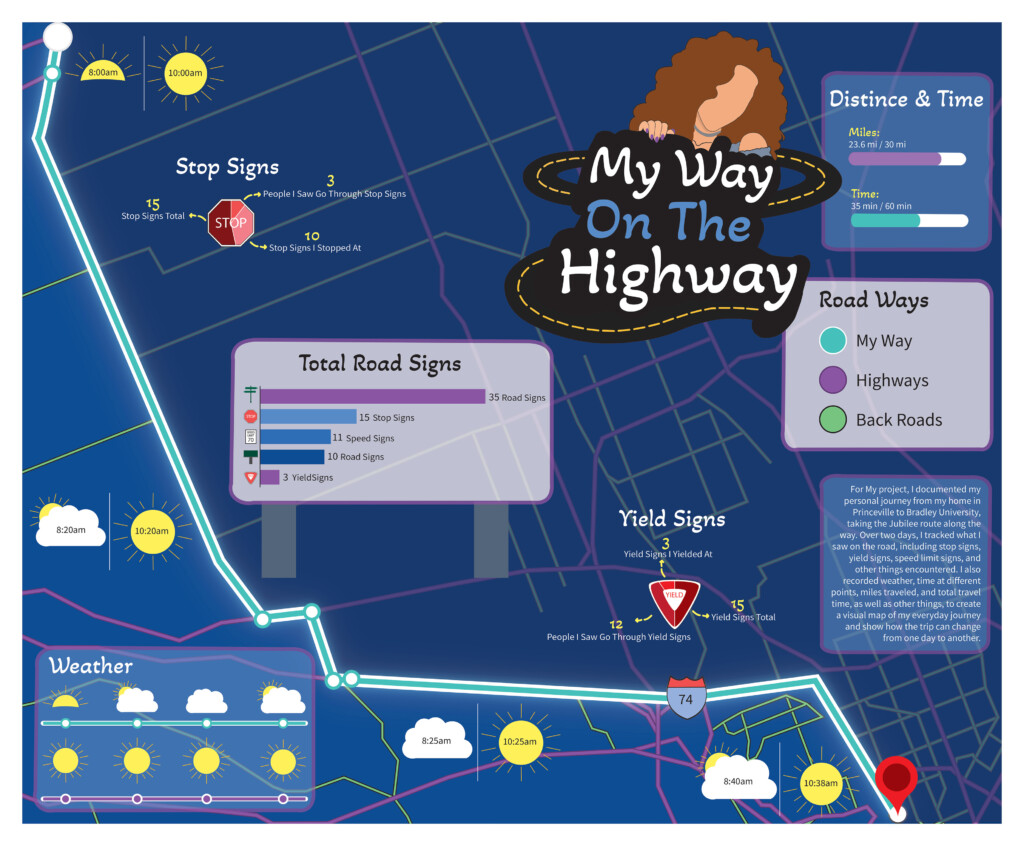
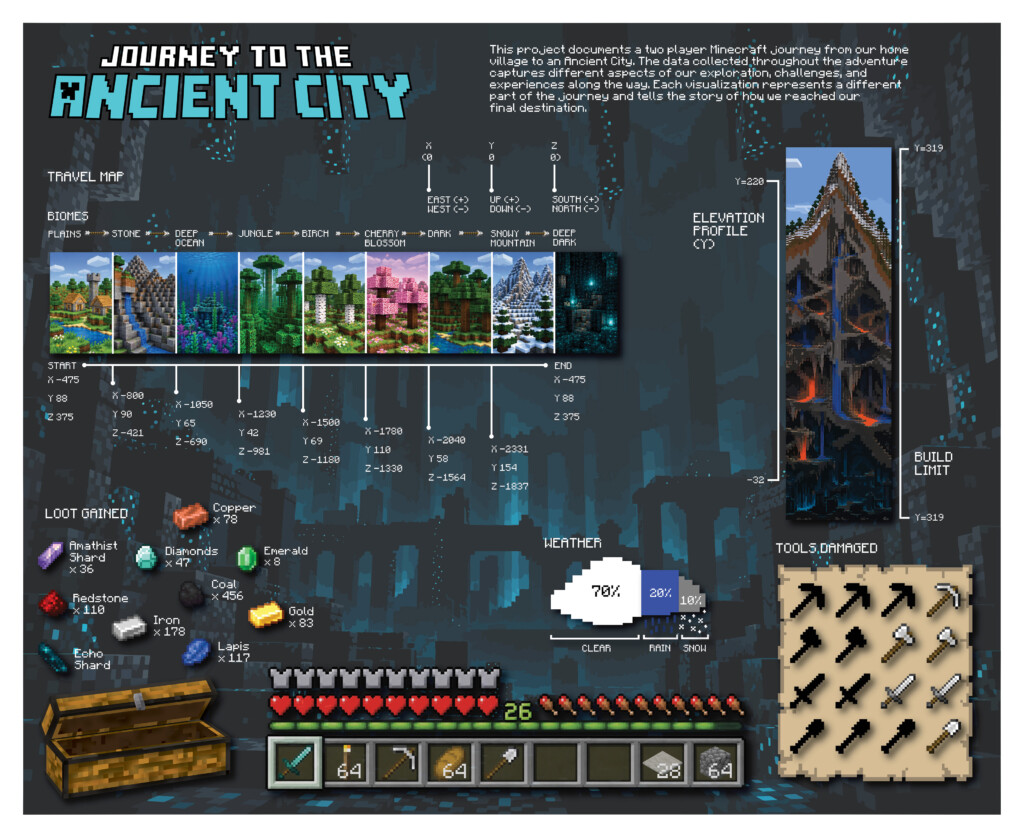
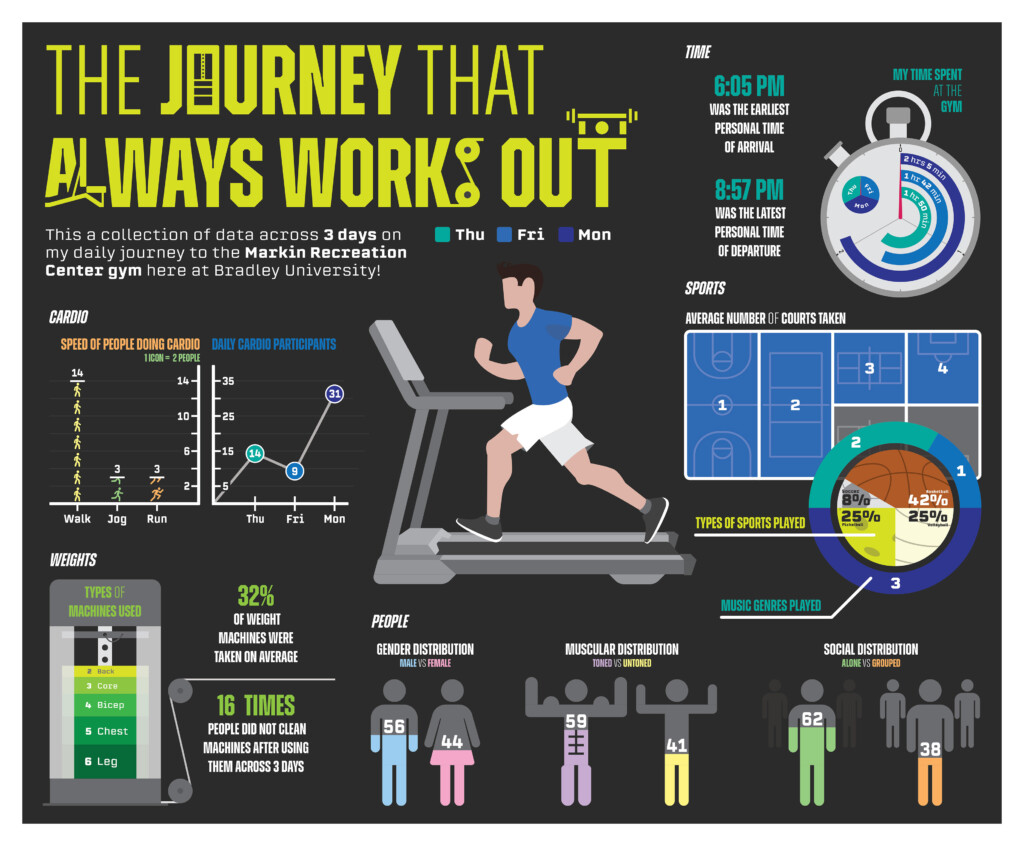
Although this assignment has been done multiple times, it is still a really good entry into Information Design – specifically turning data/statistics into a clear and accurate visual representation. The brief was to choose a ‘Personal Journey’ and collect as much data/statistics as possible for it. This information had to then be presented as a wallchart that was visually engaging, appropriate, and most importantly – accurate and clear to understand.
Here are a few of the students interpretations of their own individual ‘Personal Journey’…
We’ve tackled this one before. Always a good introduction into Editorial Design and Grid Systems.
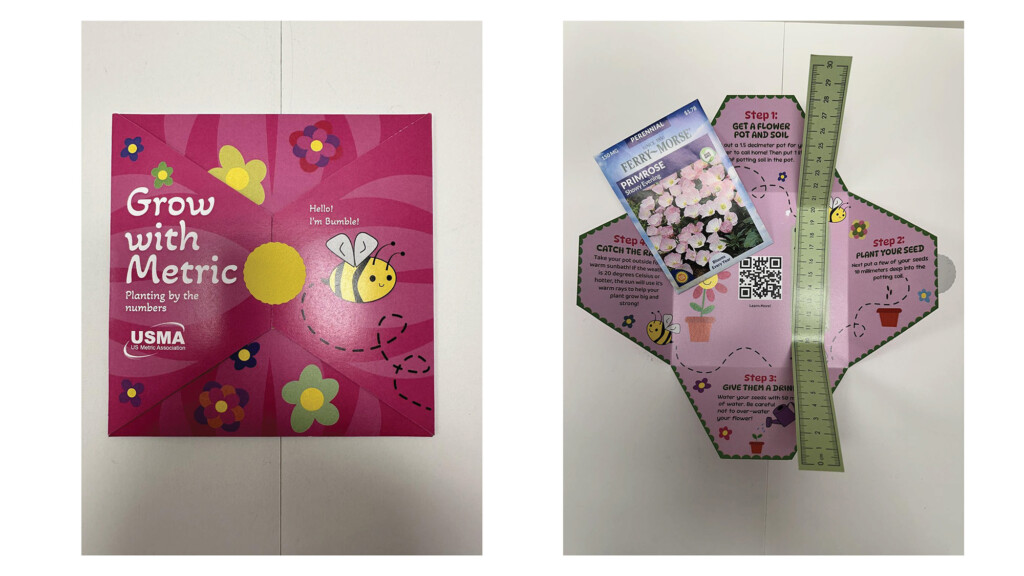
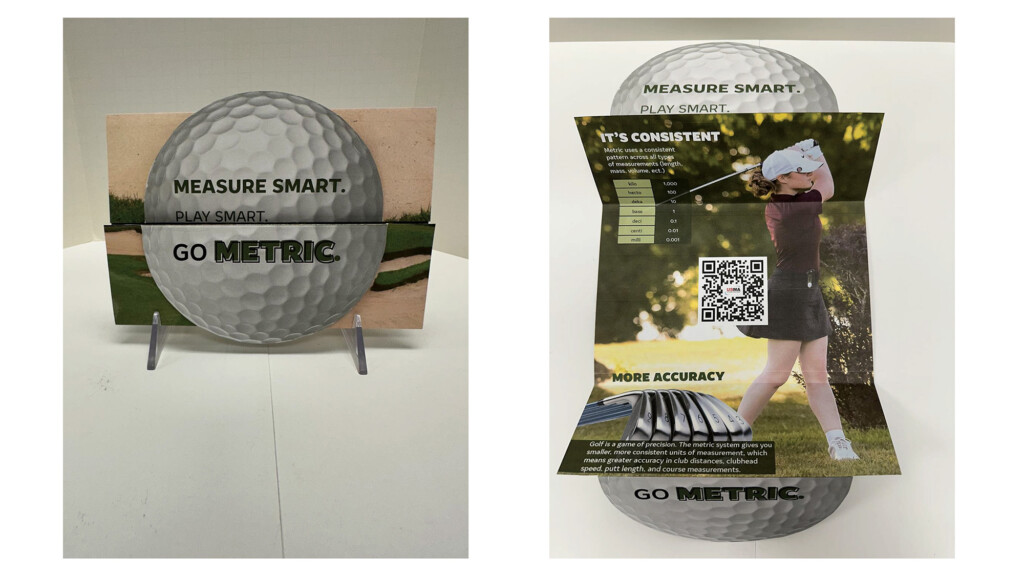
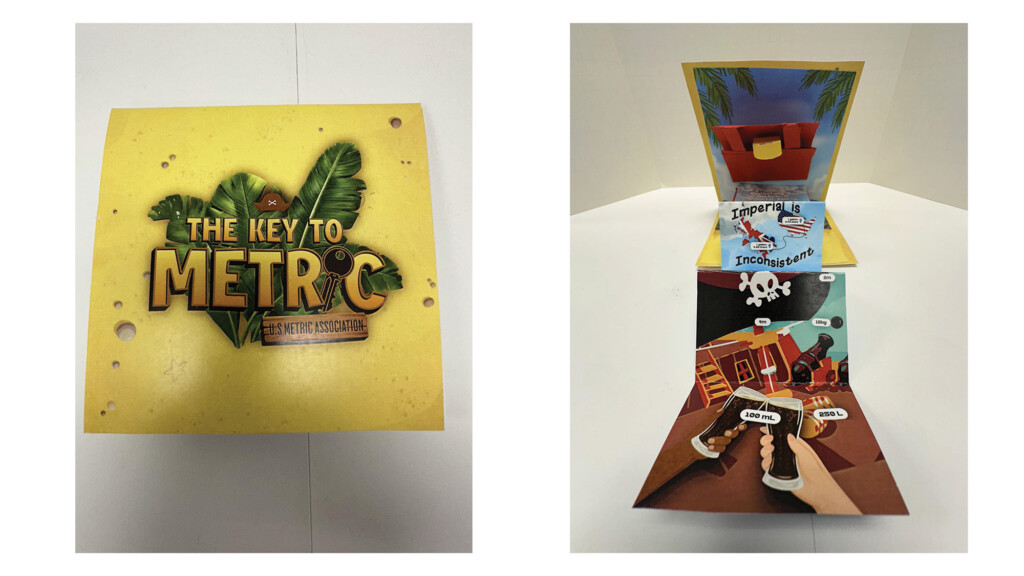
Essentially, to create a tactile direct mail piece, to promote awareness of the Metric System, and the fact that it is used globally but has yet to be fully embraced in the US. Most likely to the general public, but could be a more specific audience (such as schools/kids etc.)
Here are just a few of the designs from the students…
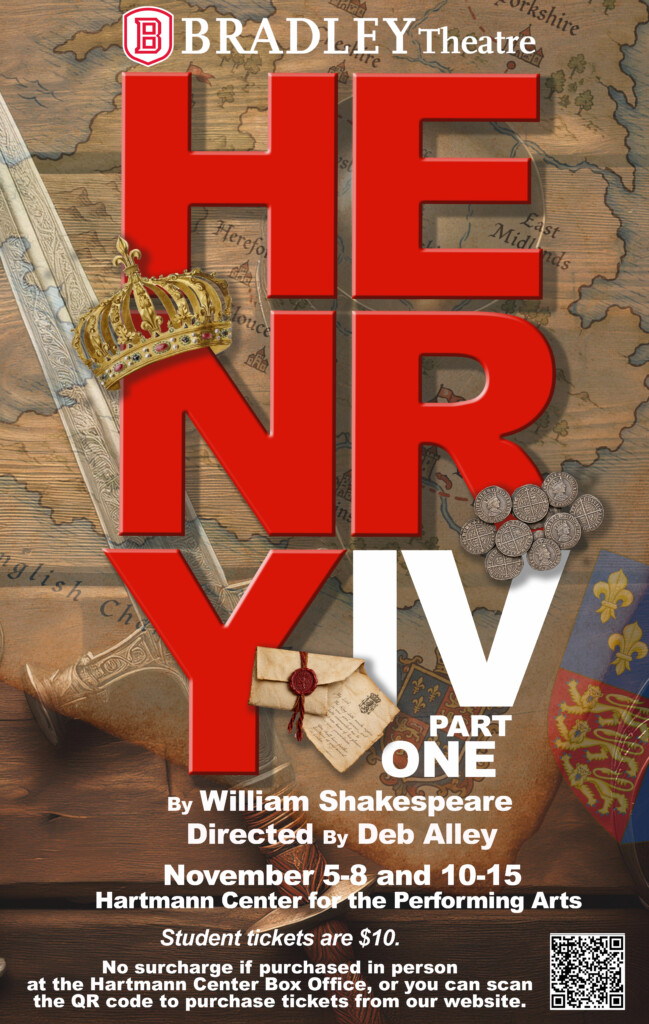
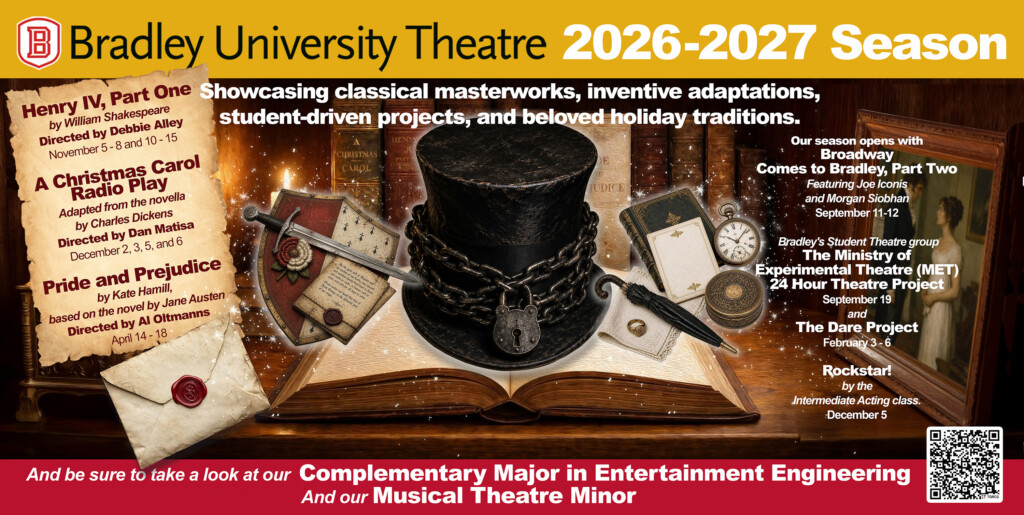
November 5 – 15, 2026 in the O’Sullivan Studio Theatre
Directed by Debbie Alley
Bradley returns to the O’Sullivan Studio Theatre for a mainstage production for the first time since 2017 with Henry IV, Part One, a Shakespearean masterpiece about King Henry IV’s struggle with rebellious nobles (particularly Henry “Hotspur” Percy), while his son, Prince Hal, navigates a wild life with the roguish Falstaff, before proving his worth.
This history play, written around 1597, covers the period from late 1402 to mid-1403 and explores themes of honor, rebellion, and father-son relationships, contrasting the king’s disappointment in Hal with his envy of Hotspur’s gallantry. The production will be guest-directed by Debbie Alley, a nationally respected theatre artist and educator.
A really fun production to visually interpret. Opting for items from the story rather than any individuals, and leaning towards a typeheavy design, that worked across all formats.
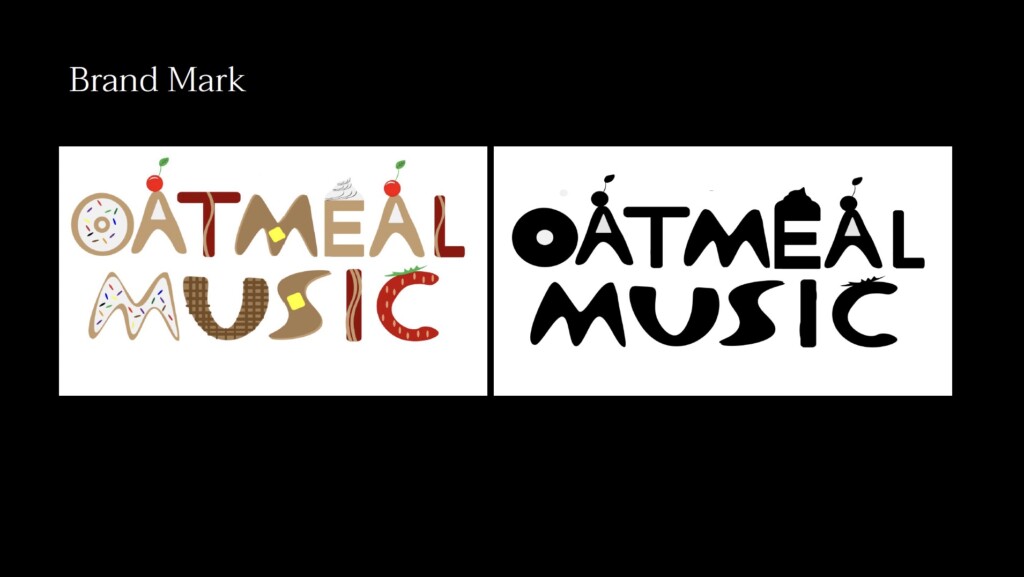
The first assignment for the Art306 Brand Experience (EL tag) class:
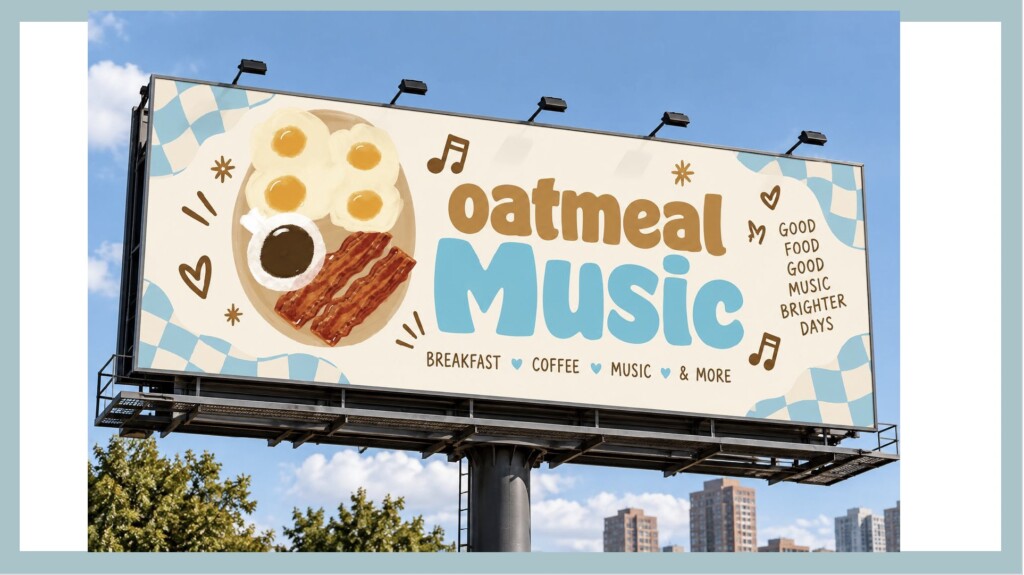
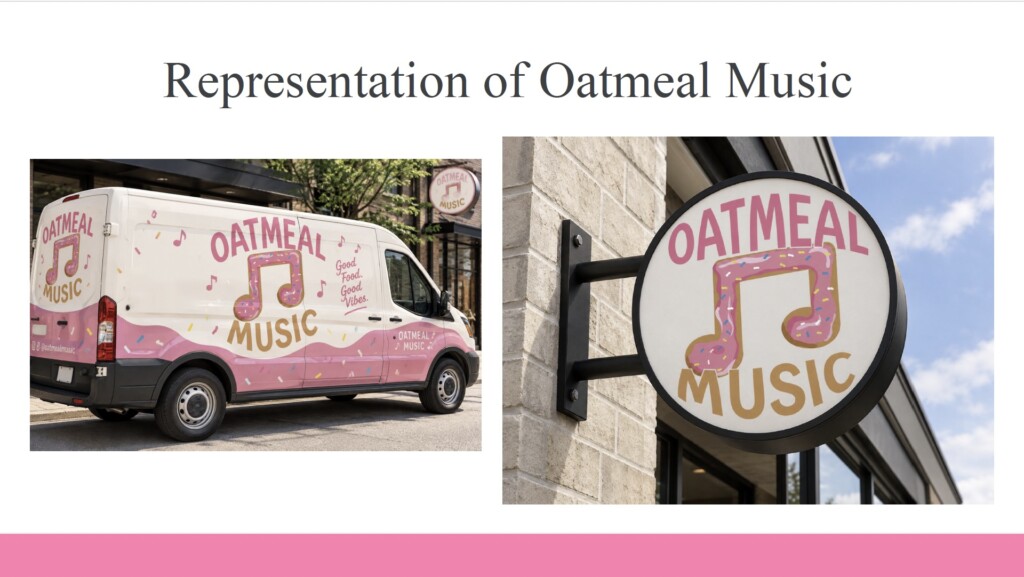
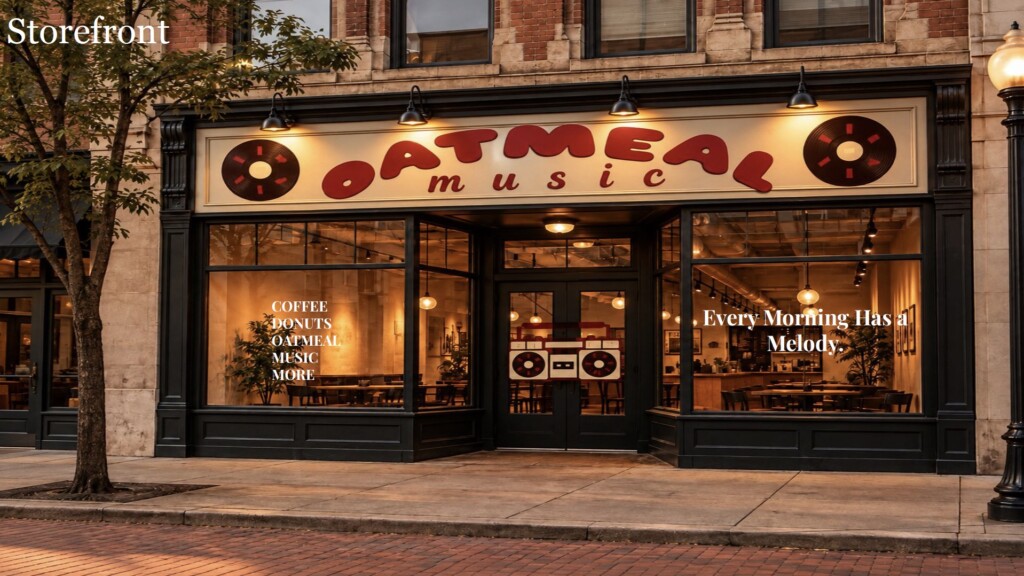
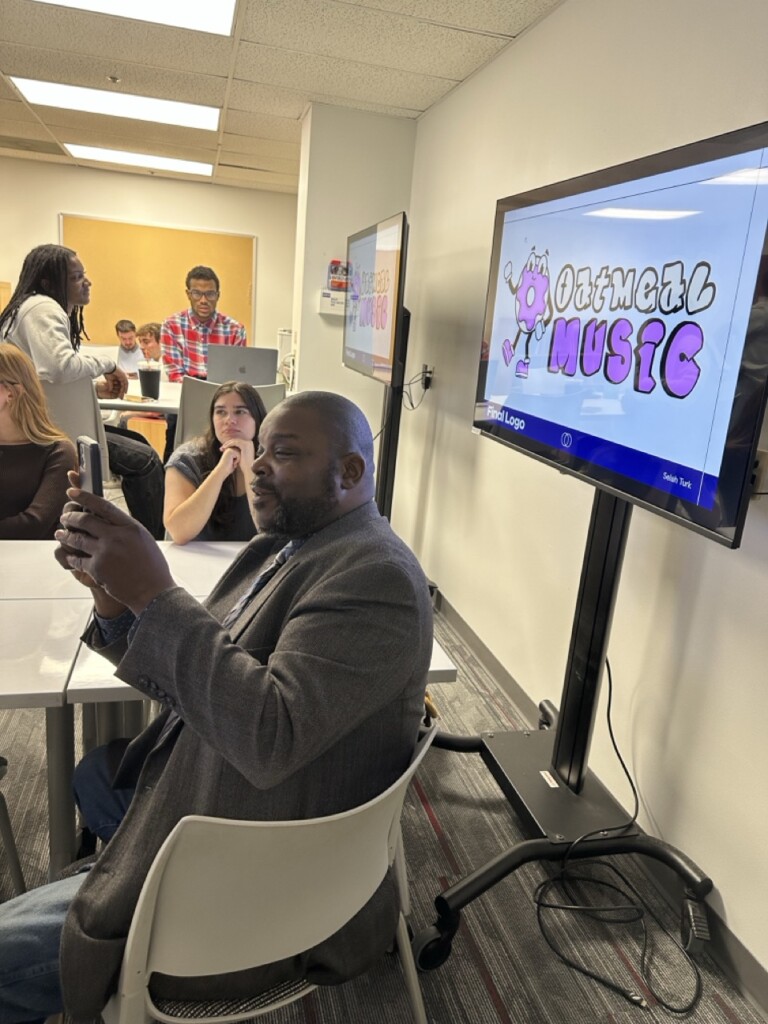
What is the product? We are creating a downtown doughnut and oatmeal bar, alongside all day breakfast, a full lunch menu and take-home dinners. On the weekends, we may feature some morning musicians.
Who is the audience/customer? Our goal is to place our business in downtown Peoria. I am currently looking for a location. Our customers are professionals and office workers within walking distance for breakfast and lunch. We will also sell dozens of doughnuts and meals through delivery services. There will be street and covered parking for easy access. Our audience for our restaurant will be adults over 30 working downtown and on the weekends music aficionados, especially hip-hop and dee-jay coffee bar scene. Think espresso and donuts and morning coffee raves
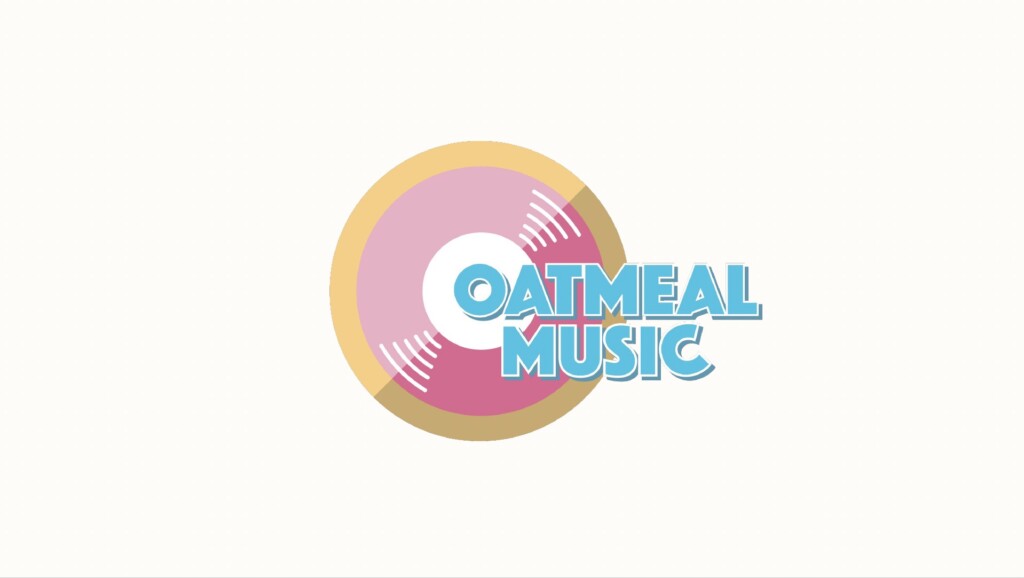
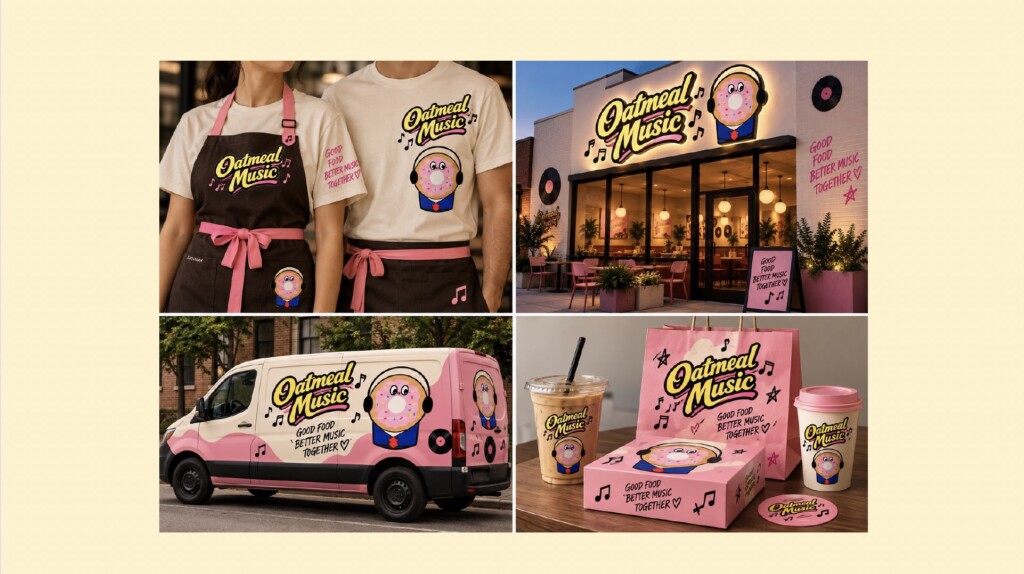
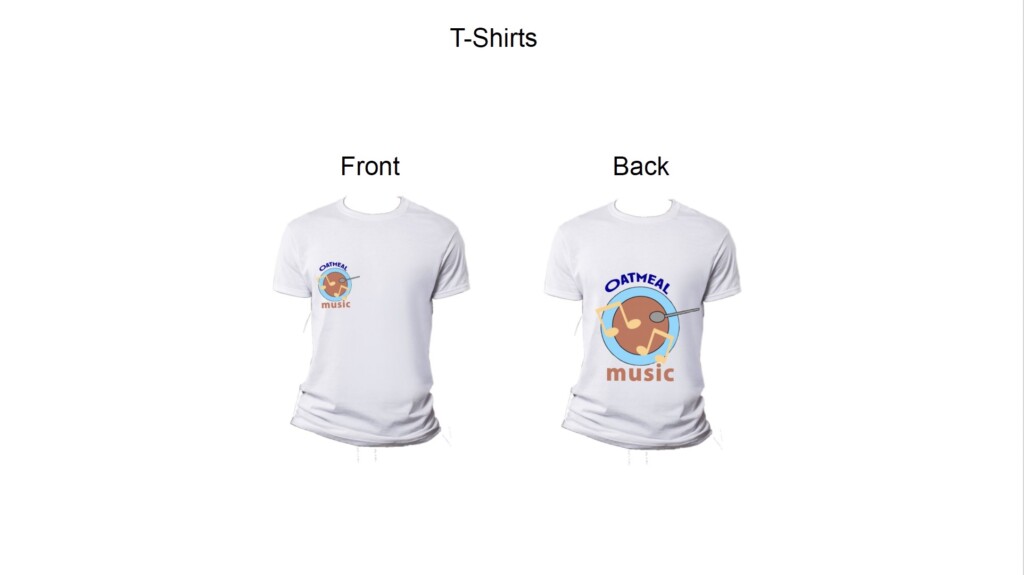
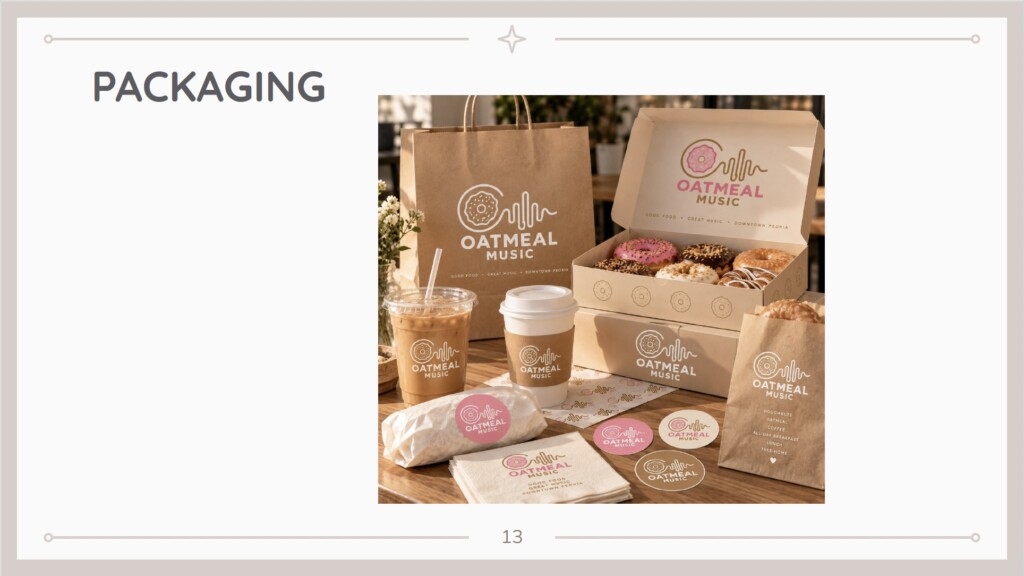
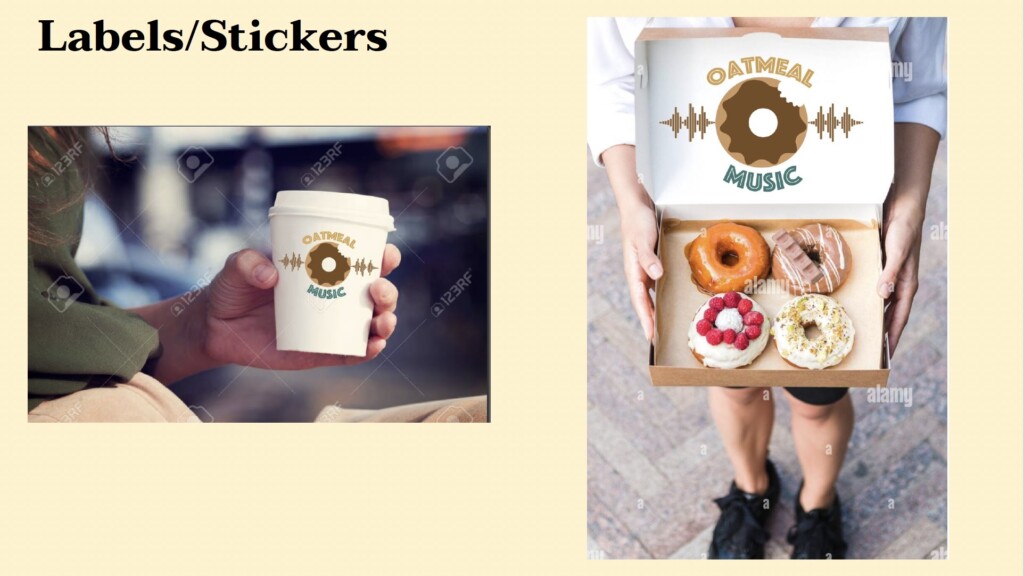
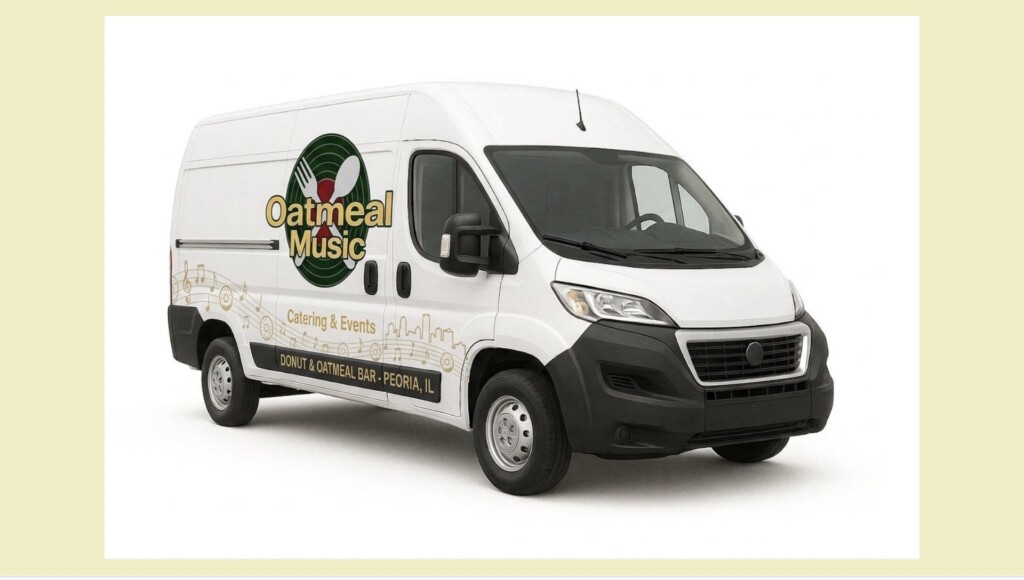
Deliverables: Demonstrate a logo/mark in the context of a brand identity – applied to a range of touchpoints you believe best engages with the audience. This includes taking the identity beyond the logo, e.g. when designing the website home page, obviously show the logo on there, but also consider the template for the website to demonstrate how the identity works beyond the logo (colors, typefaces, page design/look)
Website homepage
Instagram home page
Any other social media you feel would engage the brand with the audience(s) best
An example of any packaging – focus on how the logo works on it, and as with the website, consider the identity beyond the logo (colors, typefaces, page design/look)
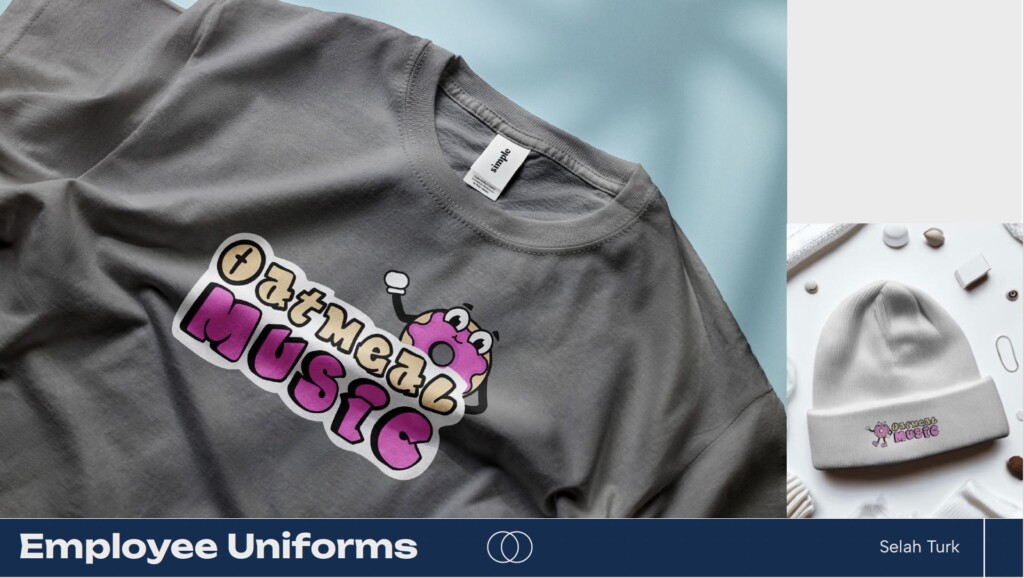
Demonstrate some assorted apparel (hoodies, shirts, caps etc.), stickers etc.
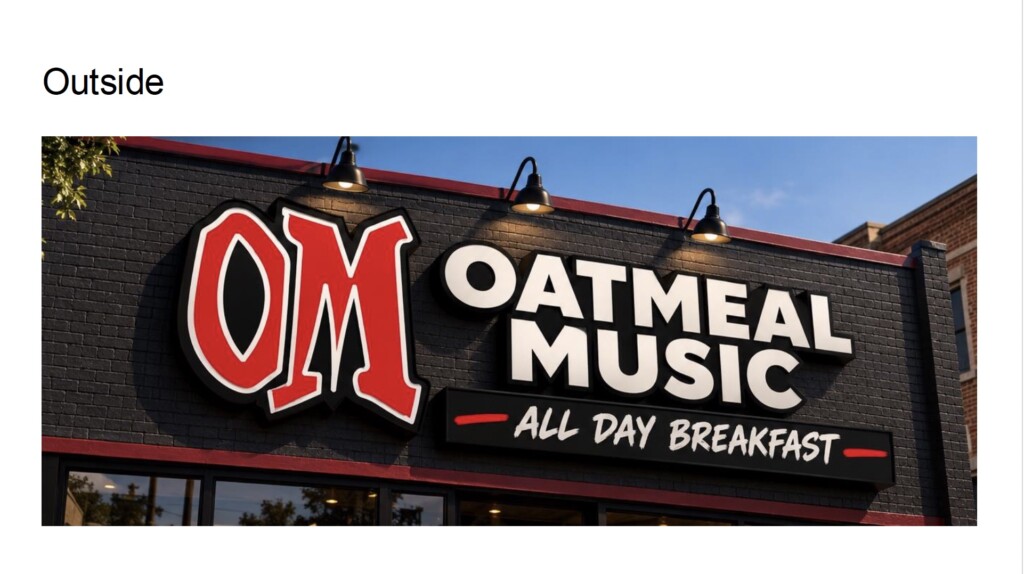
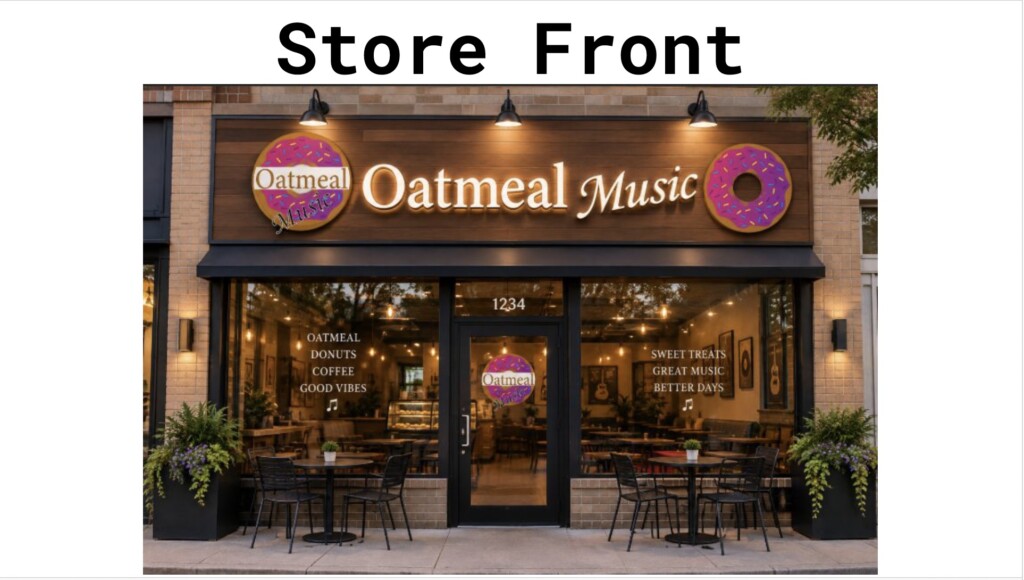
Potential building and vehicle signage.
Tap on each students photo to see an example of their brand identity
Oatmeal MusicOatmeal Music
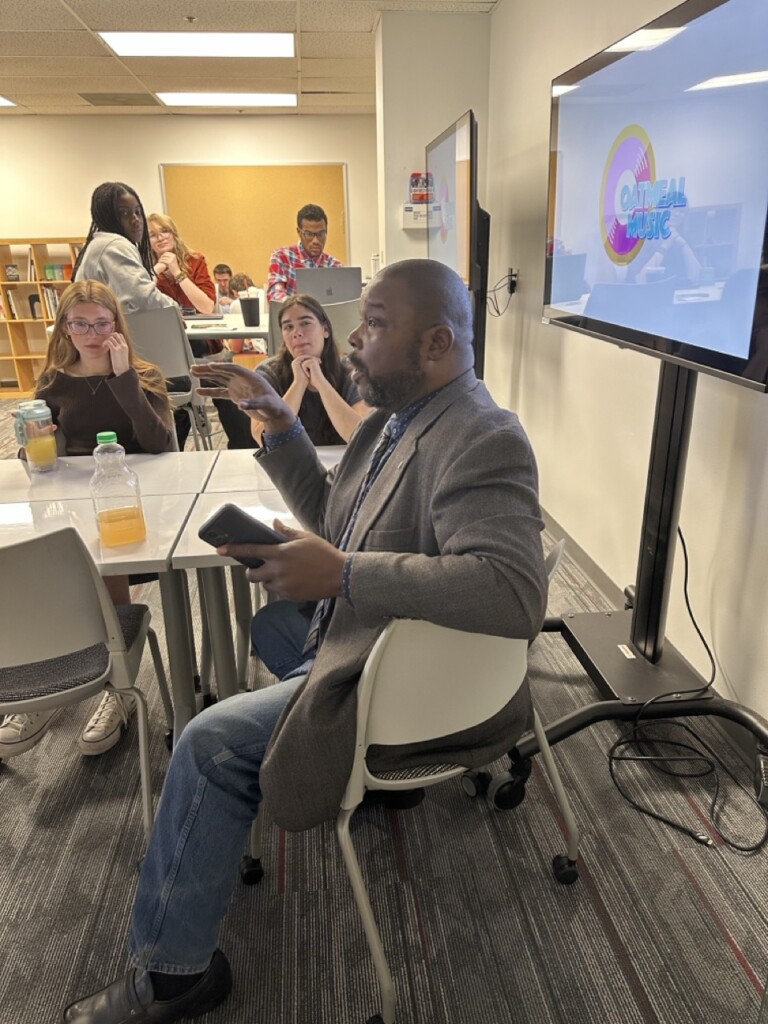
Thank you Ken, for being a wonderful client
And thank you Eric, Director, Illinois Small Business Development Center, for another challenging branding collaboration.
The final assignment of the semester was a real challenge for the students, as it focused on an area (and language) none of them were familiar with.
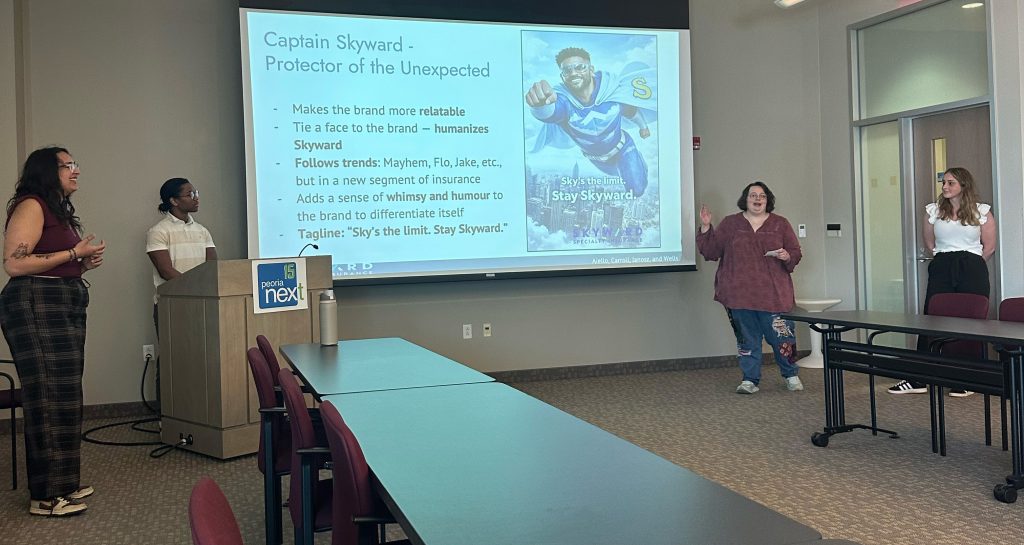
Skyward Specialty Insurance operates in the highly competitive specialty insurance market, providing tailored coverage solutions for complex and hard-to-place risks. Unlike standard insurance carriers, Skyward focuses on niche segments where expertise, underwriting precision, and strong relationships matter most. The company distributes its products through a nationwide network of independent insurance agents, making the agent experience just as critical as the policyholder experience. As specialty insurance buyers expect faster service, clearer communication, and more personalized solutions, Skyward must stand out not only for what it sells, but for how it engages. The competitive landscape includes both large national carriers expanding into specialty lines and smaller, highly specialized insurers competing on speed and fl exibility. To grow, Skyward must strengthen its brand experience across every touchpoint—agent, broker, and end customer—ensuring it is seen as knowledgeable, dependable, and easy to do business with. In short: smart coverage, smoother relationships.
Position Skyward as a smart, strategic partner for independent agents. Increase confidence in Skyward’s specialty expertise and problem-solving ability. Encourage agents to think of Skyward earlier when placing complex risks. Build trust that Skyward understands both agent and policyholder needs.
Increase submissions from independent agents. Grow premium in key specialty lines. Increase the number of active producing agents. Strengthen long-term agent relationships and loyalty.
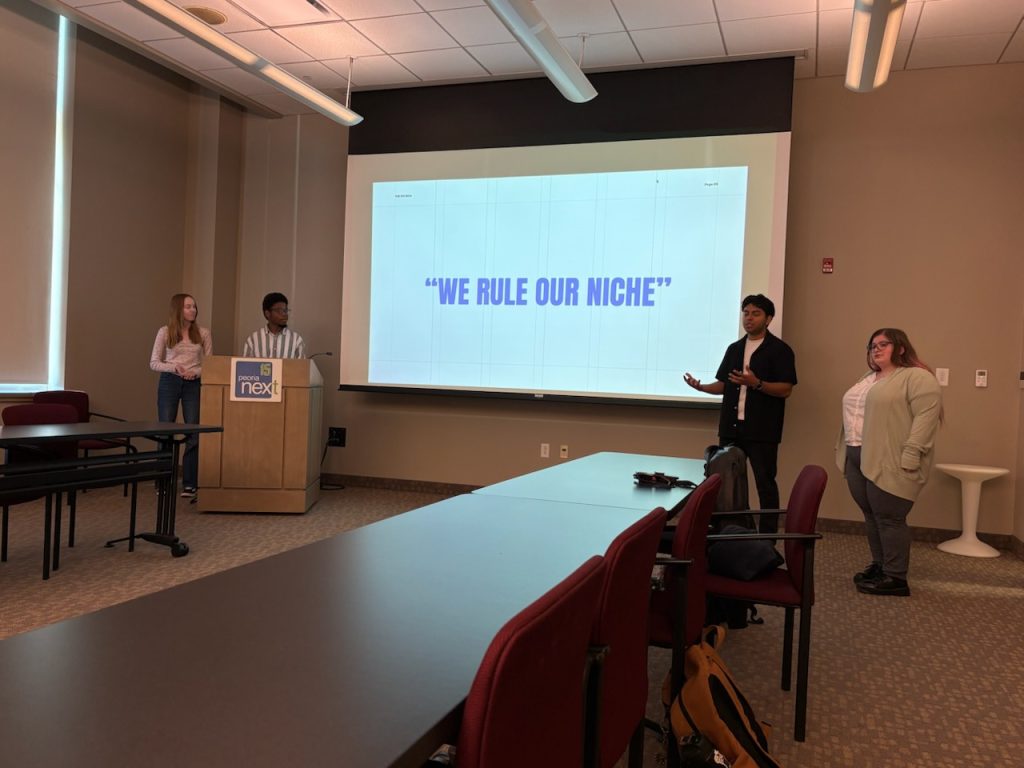
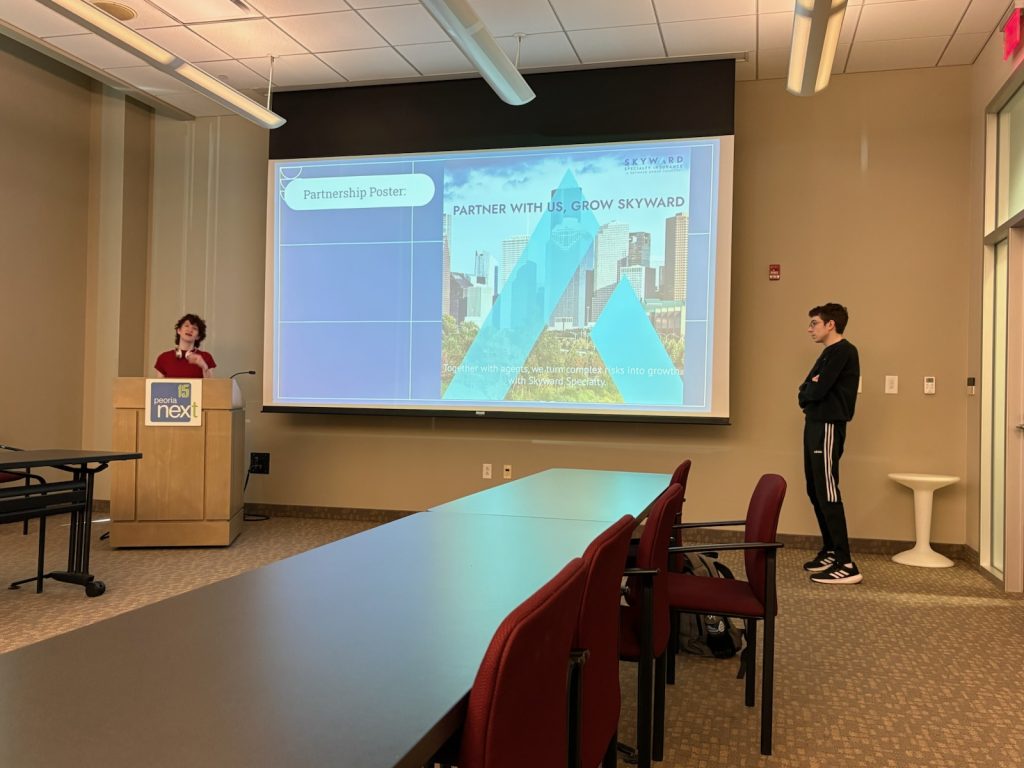
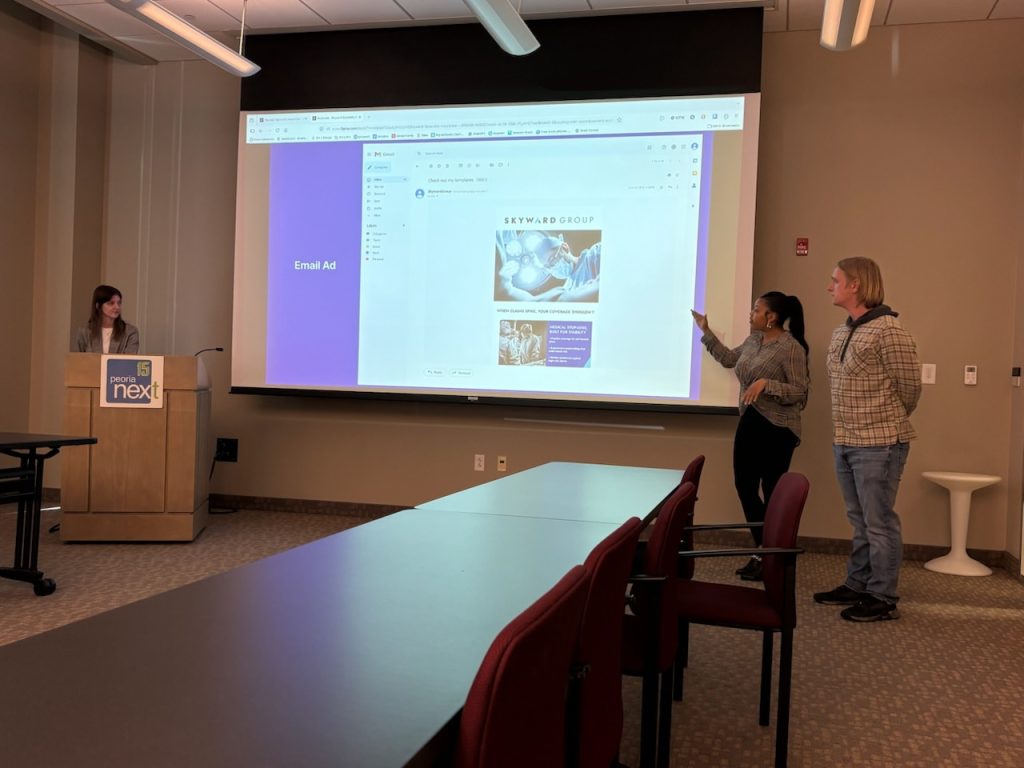
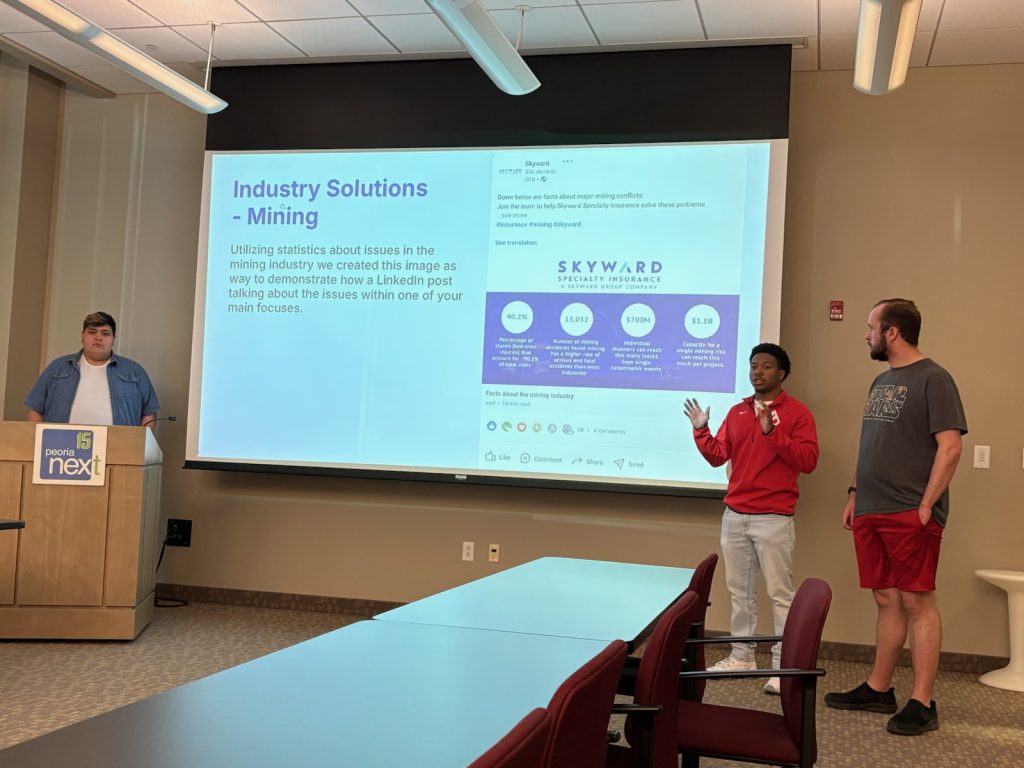
Here are the student teams presentations (click on their photograph to see the full decks):
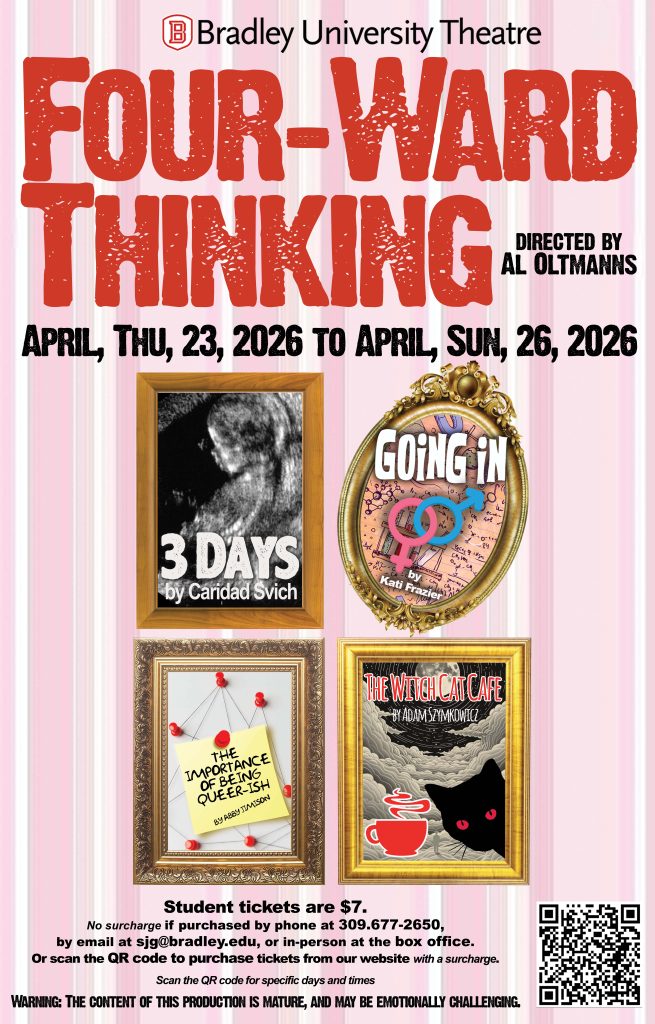
We’ll end our season with an evening of evocative and entertaining new one-act plays from four celebrated new voices in playwriting: Kati Frazier, Abby Jimison, Caridad Svich, and Adam Szymkowicz. These four brilliant short plays cover contemporary topics and themes that speak to our modern world. They will surely challenge, excite, amuse, and inspire you!
These multi production pieces are always a great challenge. I think we ended up with a great promotion for this particular one!